Skip to content
beltach oil gas header_ai

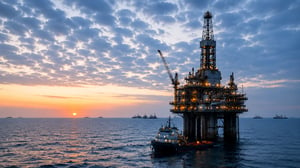
Maintain Reliable Operation of Critical Equipment in Oil & Gas

Repair, protect and extend the life of equipment to keep uptime, cost and risk under control.

Keeping Critical Equipment Running

In oil and gas operations, every hour of downtime matters. Equipment is exposed to pressure, temperature, chemicals and harsh environments, both offshore and onshore.

Maintenance decisions are often made under time pressure, with limited room for error.

You need solutions that:

  • Restore damaged equipment without full replacement
  • Prevent further degradation under real operating conditions
  • Improve performance and extend service life
  • Reduce lifecycle cost and avoid unnecessary intervention

This is where repair, protection and life extension become critical.

Repair
Restore damaged equipment without full replacement or hot work.
Protect
Prevent corrosion and degradation before it leads to failure.
Improve
Increase durability and extend operational life.

The Challenges Affecting Your Operations

In oil and gas operations, equipment is exposed to wear, corrosion and damage every day.

Small issues can develop quickly and affect production, safety and cost if not handled early. Maintenance is often carried out under pressure, with limited time to assess the situation properly.

Replacement is not always feasible due to cost, time or access.

Recurring problems are common when the underlying cause is not properly addressed, leading to repeated repairs and increased risk over time.

Corrosion
Gradual material loss that weakens equipment and reduces service life in aggressive environments
Erosion and wear
Continuous surface damage from flow, particles and mechanical stress in process systems
Leaks under pressure
Failures in pipes, joints or seals that require quick and reliable repair solutions
Chemical attack
Degradation caused by aggressive media affecting coatings and base materials
Impact damage
Local damage from dropped objects or external forces in exposed areas
Cavitation
Surface damage in pumps and valves caused by pressure changes in fluids

Joint and flange failures
Sealing issues leading to leakage and repeated maintenance work
Coating breakdown
Loss of protection over time, exposing surfaces to corrosion and damage

Structural degradation
Weakening of steel structures due to corrosion, fatigue or environmental exposure
Recurring problem areas
The same failures returning due to temporary fixes or incomplete repairs
 
Beltech logokarusell
ConocoPhilips logo hvit
Aker BP logo hvit
Aker Solutions logo hvit
Beerenberg
Bilfinger logo hvit
Kafer logo hvit
Aibel logo hvit
Worley logo hvit
Beltech logokarusell
ConocoPhilips logo hvit
Aker BP logo hvit
Aker Solutions logo hvit
Beerenberg
Bilfinger logo hvit
Kafer logo hvit
Aibel logo hvit
Worley logo hvit
Beltech logokarusell
ConocoPhilips logo hvit
Aker BP logo hvit
Aker Solutions logo hvit
Beerenberg
Bilfinger logo hvit
Kafer logo hvit
Aibel logo hvit
Worley logo hvit
Beltech logokarusell
ConocoPhilips logo hvit
Aker BP logo hvit
Aker Solutions logo hvit
Beerenberg
Bilfinger logo hvit
Kafer logo hvit
Aibel logo hvit
Worley logo hvit
Beltech logokarusell
ConocoPhilips logo hvit
Aker BP logo hvit
Aker Solutions logo hvit
Beerenberg
Bilfinger logo hvit
Kafer logo hvit
Aibel logo hvit
Worley logo hvit

Common Problem Areas in Oil and Gas Operations

In oil and gas operations, certain types of equipment are more exposed to wear, corrosion and failure.

These types of issues are commonly found in pipelines, tanks, pumps, valves, heat exchangers and other critical equipment across both offshore and onshore installations.

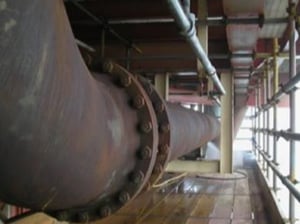
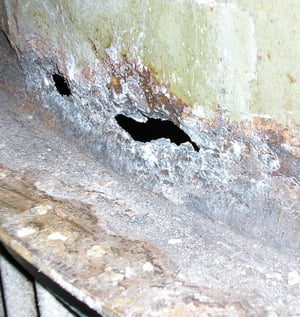
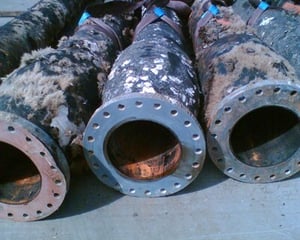
Pipelines and pipe systems Corrosion, wall loss and leaks in process lines, transport pipelines and pipe connections. Typical work includes leak repair and corrosion protection to restore integrity and prevent further damage. Often carried out in situ without hot work, using cold bonding techniques. 
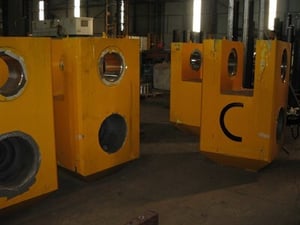
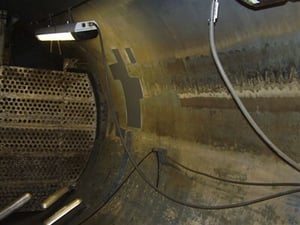
Tanks and vessels Internal corrosion, chemical exposure and sealing challenges in storage tanks, separators and process vessels. Typical work includes internal lining and corrosion protection using surface-tolerant materials suited for operating conditions. 
Pumps and rotating equipment

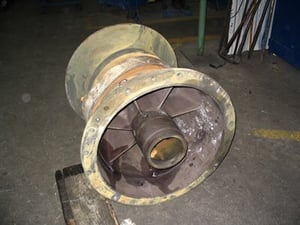
Wear, erosion and reduced efficiency in pumps, impellers and rotating components. Typical work includes surface repair and protection using composite materials to rebuild and protect worn areas. 

Valves and flanges Leakage and surface damage in valves, flanges and bolted connections under pressure. Typical work includes sealing and surface restoration to prevent recurring leaks, often without dismantling. 
Structures and exposed steel Corrosion and degradation in platforms, supports and structural components in aggressive environments. Typical work includes protective coatings and surface repair in exposed areas.
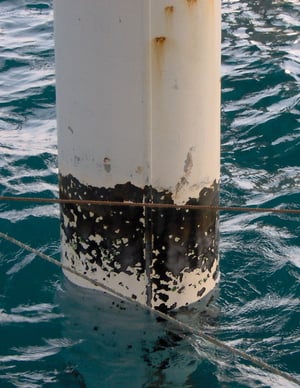
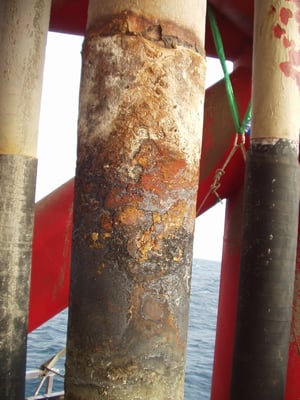
Splash zone and offshore areas Continuous exposure to saltwater, impact and harsh conditions affecting critical surfaces and connections. Typical work includes repair and protection in high-exposure areas using materials designed for aggressive offshore environments. 
Additional critical operations Includes corrosion under insulation (CUI) repair and prevention. Work is typically carried out directly on site to limit downtime and avoid unnecessary intervention. 
oil_15
oil_4
oil_10
oil_17
1768507369320

Not sure what the right approach is?

Talk to Terje directly.

You’ll get a clear and honest assessment of your situation, including whether repair makes sense, what options you have, and what to do next.

📞 91 31 77 06

✉️ tk@belzona.no

📅 Book a meeting with Terje


About Terje

Terje Karlsen is Managing Director at Beltech Solutions. He works closely with customers in oil and gas and other process industries to address issues related to corrosion, wear and equipment maintenance.

He has hands-on experience from work in the field and focuses on solutions that hold up in real operating conditions, not just in theory.

Beltech also offers training sessions and courses for teams that want a better understanding of how to prevent and handle these types of challenges in their own operations.

Book a meeting to discuss your challenges!

Products For Oil & Gas Operations

Explore relevant products below. Use the filter to sort based on application area.

Belzona 1111 (Super Metal)

General repair and rebuilding of damaged areas


Pipeline Repair & Corrosion Protection


Wear & Erosion Protection 


Flange Sealing & Protection

Explore
Explore

Belzona 1212

Fast-curing repair material for emergency situations


Pipeline Repair & Corrosion Protection

Explore
Explore

Belzona 5811

Corrosion protection coatings for pipelines and process equipment


Pipeline Repair & Corrosion Protection


Offshore & Splash Zone Coatings 

Explore
Explore

Belzona 5851

A heat-activated epoxy coating for in-situ application to hot metal surfaces with minimal preparation to protect against corrosion.


Pipeline Repair & Corrosion Protection


CUI & High Temperature Protection 

Explore
Explore

Belzona 1321 (Ceramic S-Metal)

Internal lining for tanks and vessels


Tank Lining & Chemical Protection 

Explore
Explore

Belzona 4311

Chemical-resistant coating for aggressive environments


Tank Lining & Chemical Protection 

Explore
Explore

Belzona 4341

barrier coating for long-term chemical protection.


Tank Lining & Chemical Protection 

Explore
Explore

Belzona 1812

Protection against erosion and abrasive wear 


Wear & Erosion Protection

Explore
Explore

Belzona 1821

High-performance erosion and corrosion resistance


Wear & Erosion Protection


Explore
Explore

Belzona 3412

Protective coating for flanges and bolted connections


Flange Sealing & Protection

Explore
Explore

Belzona 5831

Surface-tolerant coating for offshore environments


Offshore & Splash Zone Coatings 

Explore
Explore

Belzona 1391T

High-temperature coating for insulated and hot equipment


CUI & High Temperature Protection 

Explore
Explore
Learn more

Articles & Cases


FAQ

1. When should you repair instead of replace equipment in oil and gas? Repair is often the right option when the underlying structure is still intact and the damage can be contained or rebuilt. It is typically faster and more cost-effective than replacement, especially when access is limited or shutdown is not feasible. An assessment is needed to determine what makes sense in each case. 
2. Can pipeline leaks be repaired without shutting down operations? In many cases, yes. Depending on the type of damage, pressure conditions and access, repairs can be carried out while the system remains in operation. This requires the right method and materials, as well as proper safety evaluation. 
3. How do you prevent corrosion in offshore and oil and gas environments? Corrosion is managed by combining proper surface preparation with protective coatings or materials suited for the specific environment. The key is to address the actual exposure conditions, such as chemicals, temperature and moisture, not just apply a generic solution. 
4. How long do repair and protection solutions typically last? The lifespan depends on operating conditions and how the solution is applied. When done correctly, repairs and protection can extend service life by several years. The focus is on long-term performance. 
5. What causes recurring equipment failures in oil and gas operations? Recurring failures often happen when only the visible damage is repaired, while the underlying cause remains. This can include corrosion mechanisms, mechanical stress or incorrect material selection. Identifying and addressing the root cause is necessary to avoid repeated issues. 
6. Can damaged pumps, valves or tanks be restored instead of replaced? Yes, in many cases. Surface damage, wear and corrosion can often be repaired and protected to restore function and extend service life. Replacement is typically considered when the damage is too extensive or affects structural integrity. 
7. What information is needed to assess a repair or maintenance issue? A short description of the problem is usually enough to start. Photos, information about operating conditions, and any known history of the issue will help provide a more accurate assessment and recommendation. 
Describe your problem

Send us a short description of the issue. And we will try to provide you with a technical solution for the repair and maintenance of your equipment.